
Stage and Truss Rental: How to Plan a Safe, Professional Stage
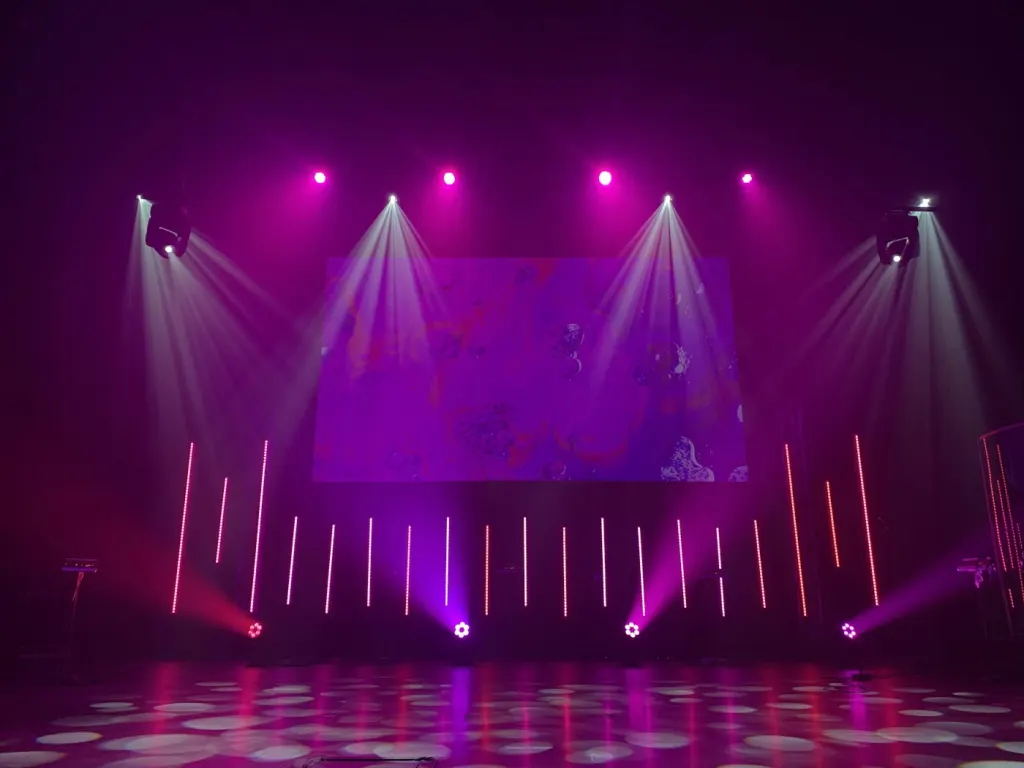
The stage is where every eye in the room ends up, so it has to look good and be completely safe. Whether you are planning a concert, a church crusade, a product launch or a wedding reception, here is what to decide before you rent a stage.
1. Size and shape
List everything that will be on the stage at the busiest moment: speakers, a band, a choir, dancers, a podium, a table for dignitaries. That decides the size. Leave space for movement and for equipment like monitors and microphone stands.
2. Height and sight lines
A higher stage helps guests at the back see the program, especially in large halls and open fields. Lower stages suit dinners and smaller rooms where guests are seated close to the front.
3. Outdoor stages need roofing
For outdoor events, stage roofing protects performers and equipment from sun and rain. It also gives a structure to hang lights and banners from.
4. Steps, ramps and skirting
Every stage needs safe steps, with rails where required. A ramp helps with equipment and accessibility. Skirting hides the stage legs and cables for a clean finish.
5. Truss for screens, lights and backdrops
Truss and scaffolding carry the things you want above or behind the stage: LED screens, lighting, speakers and branded backdrops. Plan the truss at the same time as the stage, so everything fits and loads are calculated properly.
6. Safety and setup time
Ask how the stage is levelled and secured, who checks the structure, and how long the build takes. Large stages may need to be built the day before the event.
One team, fewer problems
When the stage, truss, screens, sound and lights come from one supplier, the pieces are designed to fit together and one crew is responsible on the day. See our stage rental service or request a free quote.